Your Cart (0 items)
Hurry, Sales Ends
🚚
You Might Also Like


India's candle market is growing fast, driven by rising demand for home décor, aromatherapy, gifting, and wellness. If you're a hobbyist ready to turn your passion into a business or a brand looking to add candles to your product line, this guide covers everything you need to get started.
Candles are low-investment, high-margin products. A basic soy wax candle that costs ₹80 -120 to make can retail for ₹350 - 800. With India's gifting culture and the wellness boom, scented candles are in consistent demand year-round - especially around Diwali, Christmas, and Valentine's Day.
The global candle market is projected to cross $14 billion by 2031. In India, the handmade and artisanal candle segment is growing at 8-10% annually.
Wax is the foundation of every candle. The most popular types in India are:
• Soy Wax - Clean burning, eco-friendly, holds fragrance well. Best for container candles. Most popular with natural brands.
• Paraffin Wax - Affordable, widely available, excellent scent throw. Ideal for beginners and bulk production.
• Coconut Wax - Premium option with a creamy finish and strong fragrance hold. Loved by luxury candle makers.
• Beeswax - Natural and air-purifying. Niche, higher cost, great for wellness-positioned brands.
Fragrance is what sells a candle. You have two main options:
• Fragrance Oils - Synthetic or blended scents specifically formulated for candles. They offer consistent scent throw and a wide variety of options from floral and fruity to woody and festive. Best choice for commercial production.
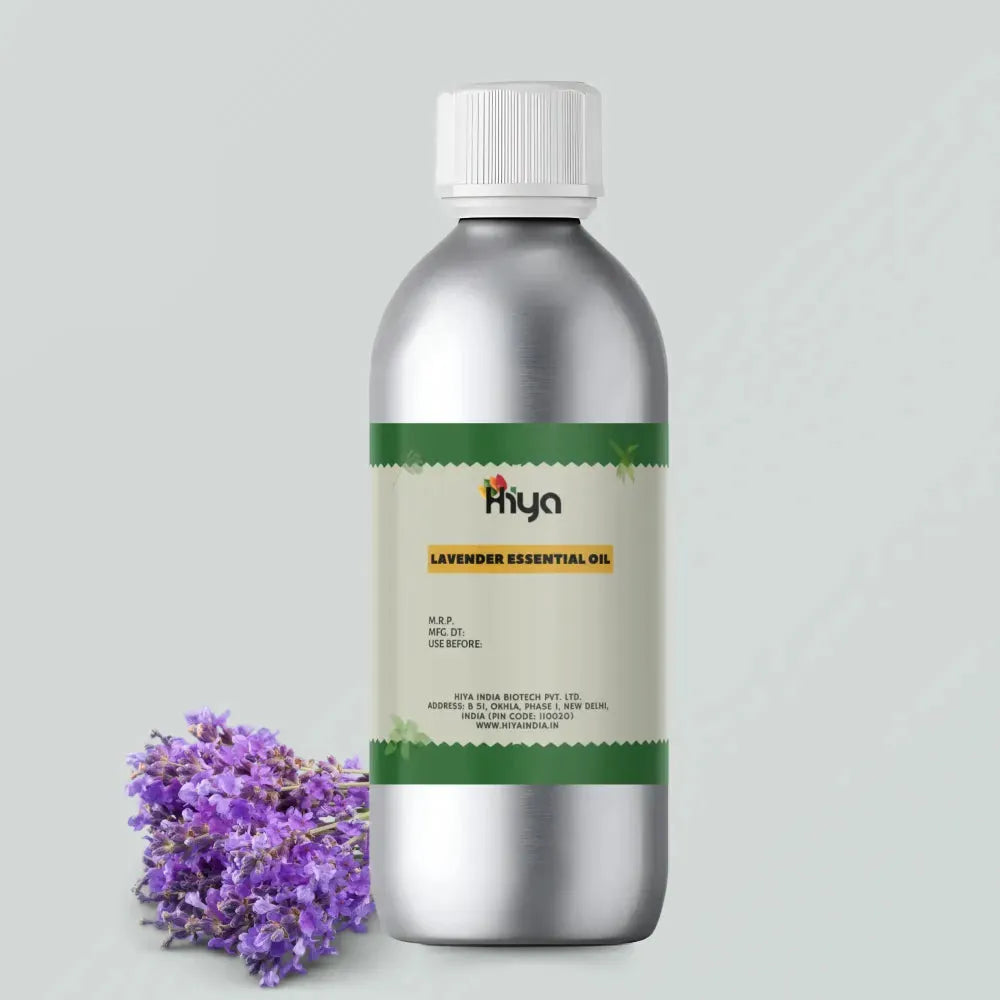
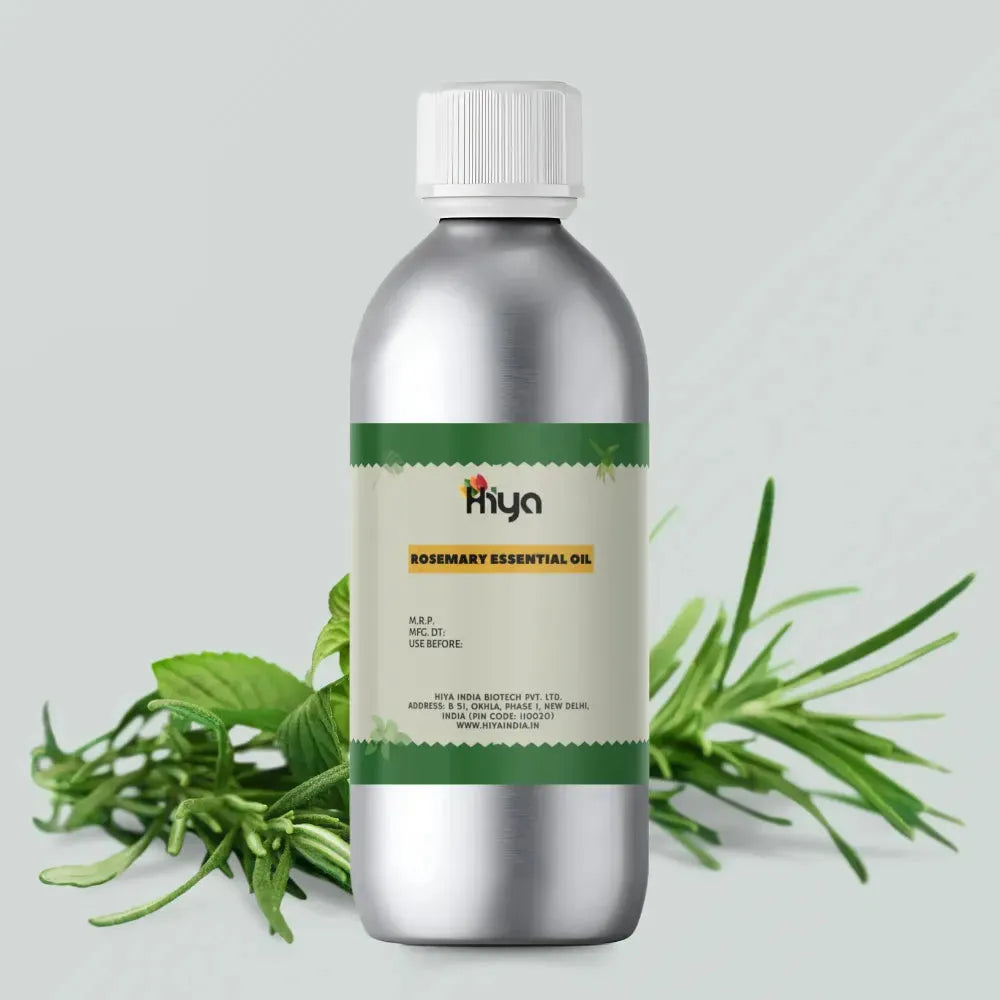
• Essential Oils - Naturally extracted from plants (lavender, lemon, eucalyptus, etc.). Preferred for wellness/aromatherapy candles. Higher cost, but commands a premium retail price.
Usage rate: 6-10% fragrance load per 100g of wax is the standard for a strong scent throw.
The wick controls burn quality. Cotton wicks are the most popular and safest choice. Wick size must match your container diameter - too thin means tunnelling; too thick means soot and mushrooming.
Glass jars are the most popular for container candles. Tin containers are affordable and travel-friendly. Silicone moulds allow creative shapes for pillar candles.
Additives improve texture and performance. Common ones include Vybar (improves scent binding), stearic acid (hardens paraffin), and UV inhibitors (prevent colour fading). Cosmetic-grade candle dyes give vibrant colour without affecting burn quality.
• Step 1: Measure wax to fill your container (double the volume of your jar).
• Step 2: Melt wax in a double boiler to 70–80°C.
• Step 3: Add fragrance/essential oil at 60–65°C. Stir for 2 minutes.
• Step 4: Add dye if desired. Stir until fully dissolved.
• Step 5: Centre your wick using a wick holder or chopstick.
• Step 6: Pour wax slowly at 55–60°C. Leave to set for 24 hours.
• Step 7: Trim wick to 6mm before the first burn.
|
Item |
Home Setup |
Small Business |
|
Soy Wax (1 kg) |
₹350–450 |
₹250–350 (bulk) |
|
Fragrance Oils (100ml) |
₹250–450 |
₹150–300 (bulk) |
|
Cotton Wicks (50 pcs) |
₹150–200 |
₹80–120 (bulk) |
|
Glass Jars (12 pcs) |
₹300–500 |
₹150–250 (bulk) |
|
Thermometer + Tools |
₹500–800 |
₹500–800 |
|
Total Starter Cost |
₹3,000–5,000 |
₹10,000–25,000 |
For the best quality at wholesale prices, buy candle making ingredients from a certified manufacturer or supplier like Hiya India
Choose suppliers that provide GC/MS tested essential oils to ensure purity and authenticity
Look for COA-certified fragrance oils with proper quality documentation
Purchase raw materials in 1 kg or higher quantities to reduce unit cost
Prefer wholesale suppliers over retail marketplaces for better margins
Ask for batch consistency and lab reports before bulk buying
Order sample quantities first, then scale to bulk
GC/MS testing helps verify purity and detect adulteration in essential oils, making it a key quality check when sourcing raw materials.
Bulk purchasing also reduces per-unit cost and ensures consistent supply for production.
Q: How much does it cost to start candle making at home in India?
A: A basic home setup costs ₹3,000 - 5,000 covering wax, fragrance oil, wicks, jars, and a thermometer. As you scale, buying in bulk reduces your ingredient cost by 30 - 40%.
Q: Which wax is best for candle making in India?
A: Soy wax is the most popular choice for clean burning and good scent throw. Paraffin is more affordable and widely available. Coconut wax is premium and ideal for luxury brands.
Q: Can I use essential oils instead of fragrance oils for candles?
A: Yes. Essential oils like lavender, lemon, and eucalyptus work well in soy or coconut wax. Use at 6 - 8% load. Note that essential oils are more expensive and may have a lighter scent throw than fragrance oils.
Q: Do I need a license to sell candles in India?
A: For home-based small businesses, an Udyam registration is recommended. If selling online (Amazon, Meesho, your own website), GST registration is required above ₹20 lakh annual turnover.
Q: How do I find wholesale candle making suppliers in India?
A: Look for candle making manufacturers who supply GC/MS certified oils, COA documentation, and offer bulk pricing. Hiya India supplies candle wax, fragrance oils, essential oils at wholesale prices with lab certification.
Ready to start your candle making business? Explore Hiya India's candle making ingredients - lab-certified, bulk-ready, delivered across India.


