Your Cart (0 items)
Hurry, Sales Ends
🚚
You Might Also Like
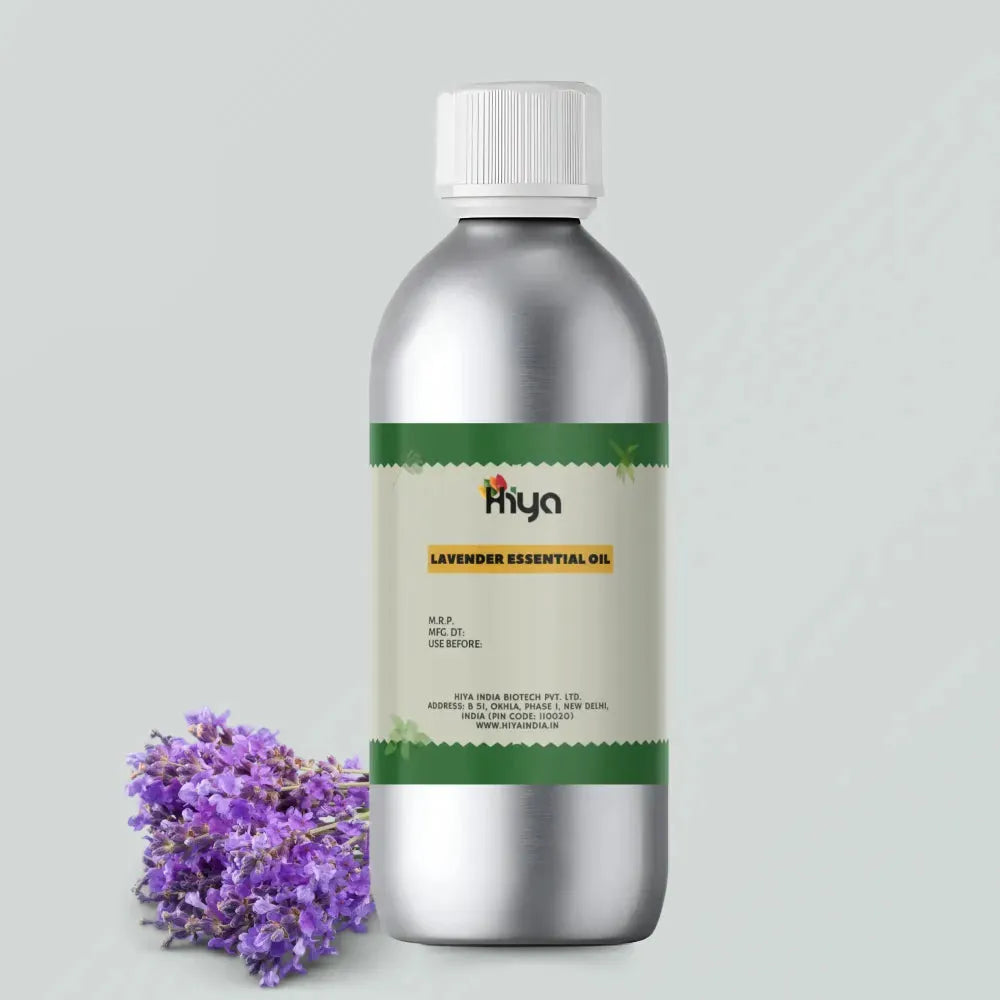

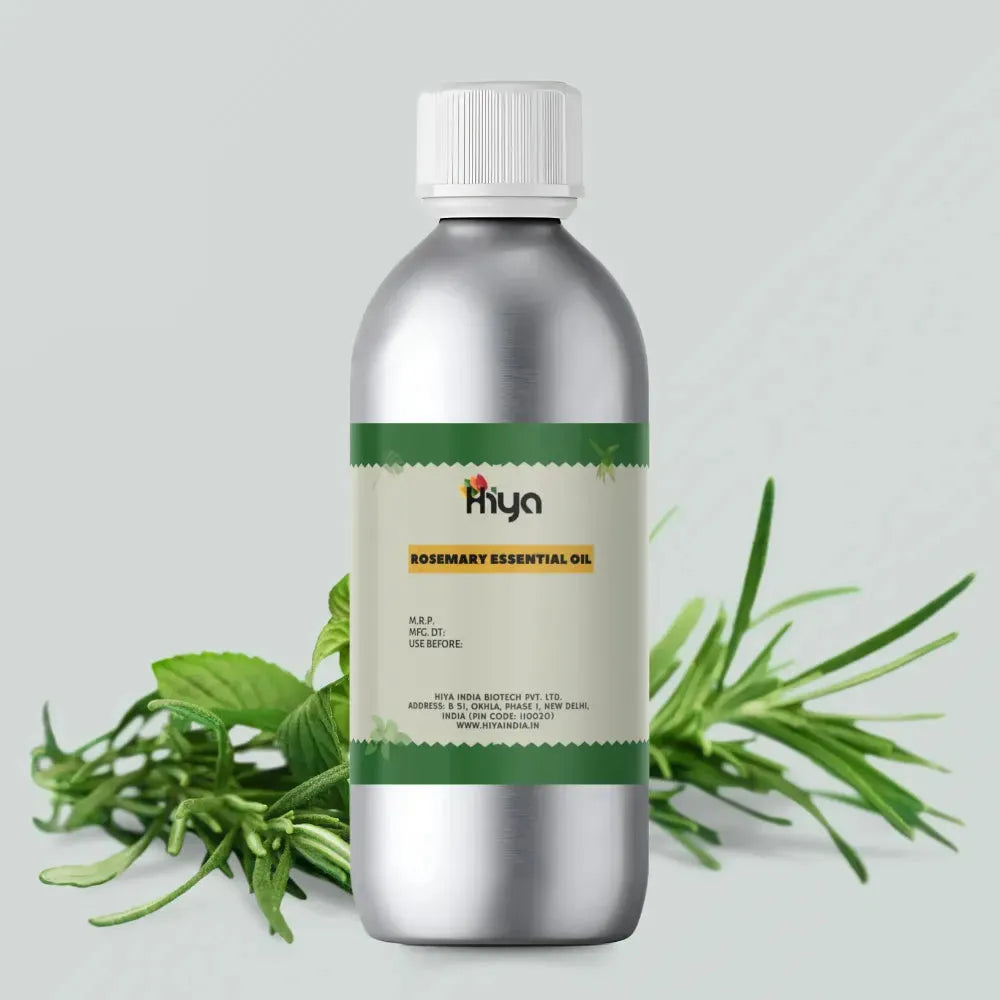
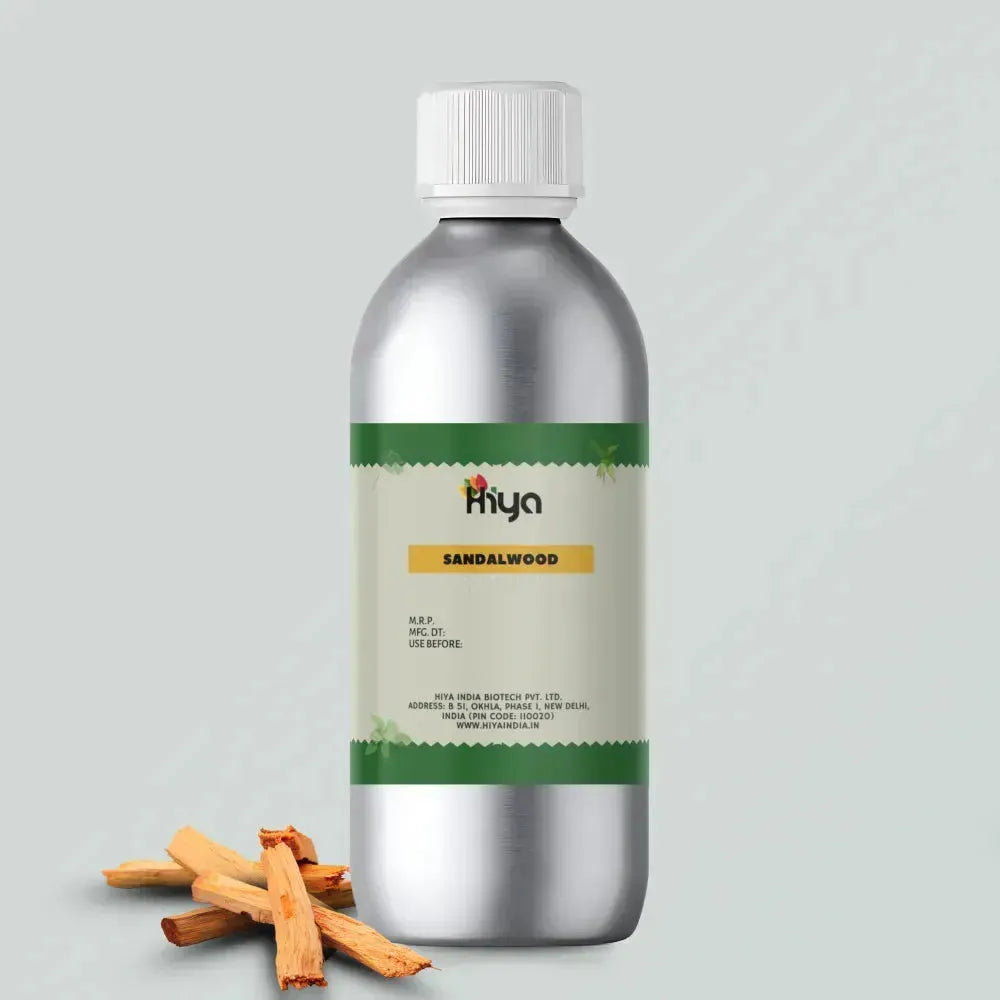

If you're planning to launch a skincare line, an essential oil brand, a home fragrance label, or an Ayurvedic wellness range, one decision will shape your entire business: who you partner with for private label manufacturing. Get this right, and you move from idea to shelf-ready product in weeks with predictable quality. Get it wrong, and you're stuck chasing vendors, failing lab tests, and burning cash on rejected batches.
This guide breaks down everything you need to know about private label manufacturing in India — from choosing a 3P (third-party) manufacturer to formulation development, ingredient testing, and compliance — so you can launch a brand that actually performs in the market.
Private label manufacturing (also called white label manufacturing or contract manufacturing) is when a specialized manufacturer produces a product — a face serum, a diffuser oil, a hair oil, a room spray — that you sell under your own brand name. You don't need your own factory, R&D lab, or compliance team. Instead, you partner with an established 3P manufacturer who handles formulation, production, quality control, and packaging, while you focus on branding, marketing, and sales.
This model has exploded in India's beauty, personal care, aromatherapy, and Ayurveda sectors over the last decade. D2C brands, salons, hotels, spas, and export businesses all rely on private label cosmetic manufacturers and private label essential oil manufacturers to launch products faster and cheaper than building an in-house facility ever could.
The beauty and personal care industry in India is one of the fastest-growing consumer categories, and the barrier to entry has never been lower — provided you know how to navigate manufacturing. Here's why brands increasingly choose contract manufacturing over in-house production:
The catch is that private label manufacturing in India is fragmented. There are hundreds of small and mid-sized 3P factories, each strong in a narrow category — one might excel at essential oil bottling, another at cream and lotion formulation, another at Ayurvedic oil production. Finding the right fit for your specific product, at the right MOQ, with reliable QC, is where most first-time brand owners struggle.
Most brands approach private labeling by directly contacting a single 3P manufacturer. The problem? That factory is usually strong at only one thing. If your brand spans multiple categories — say, essential oils, a home fragrance line, and a couple of Ayurvedic hair oils — you'll need three or four different manufacturing relationships, each with its own quality standards, communication style, and documentation process.
This is exactly where a private label manufacturing aggregator changes the game. Instead of you chasing dozens of factories, testing samples, negotiating MOQs, and hoping the quality holds up batch after batch, an aggregator does the vetting, matching, and coordination for you.
| Going Direct to 3P | Working with a Manufacturing Aggregator |
|---|---|
| Access to only one factory's capability | Access to a wide network of 30+ pre-audited factories across India & the Middle East |
| No benchmarking or comparison | Multi-factory costing and category-fit recommendations |
| Limited, category-specific QC | Cross-category quality control |
| Fixed bill of materials, few alternatives | Optimized raw material sourcing and formulation flexibility |
| Slow, fragmented communication | Single point of coordination and escalation |
| Difficult to switch if quality slips | Smooth, low-risk factory transitions |
| Higher brand and production risk | Consistent, predictable outcomes |
This is the model behind Hiya India's Private Label & 3P Manufacturing Aggregator — a network of pre-audited, verified manufacturers across India and the Middle East, mapped by category strength so brands get matched to the right factory instead of the first factory they find.
If you're evaluating a private label partner for beauty and wellness products, don't just look at manufacturing capacity. A serious partner should offer an end-to-end ecosystem across five pillars:
Before anything gets manufactured, you need a formulation that works — one that's stable, performs as claimed, and fits your price point. This is where formulation and solutions services matter most. A strong formulation partner brings:
Hiya India's Formulations & Solutions page details a network of 40+ specialised formulators built over 7+ years of working with 1,500+ brands — covering everything from essential oil-based serums to home fragrance blends.
Once your formulation is locked, you need a manufacturer that can execute it consistently, batch after batch. Look for:
This is the step most brands skip — and regret. A supplier's Certificate of Analysis (COA) alone isn't enough independent verification. Reliable ingredient testing for cosmetics and personal care should include:
A good partner doesn't rely on a single lab — they aggregate testing across a network of specialized labs, interpret the technical reports, and convert raw data into actionable decisions. This is precisely the model behind Hiya India's Ingredients Testing service, built on 7+ years of raw material supply and NPD support.
If your product makes a claim — "24-hour hydration," "clinically tested," "long-lasting fragrance" — you need data to back it up, especially for export markets. Application lab support typically covers:
Launching a compliant, export-ready product requires more than a good formula. You'll need:
Consolidated sourcing across essential oils, carrier oils, fragrance oils, and herbal extracts also reduces markups, standardizes pricing across batches, and protects your margins as you scale.
A well-run private label journey typically follows this flow:
Brands that try to manage each of these steps separately — a formulator here, a factory there, a testing lab somewhere else — inevitably lose time to miscommunication and inconsistent quality. An integrated ecosystem removes that friction by coordinating the entire chain from a single point of contact.
India's private label manufacturing capability now spans a wide range of beauty, wellness, and home fragrance categories, including:
If your product idea falls into any of these categories, there's very likely an established 3P manufacturing network in India ready to produce it at your required MOQ.
Before you sign on with any manufacturer, be aware of the pitfalls that trip up most first-time brand founders:
When evaluating a private label and 3P manufacturing partner, ask:
Private label manufacturing has made it possible for beauty, wellness, and Ayurveda entrepreneurs to launch credible, high-quality brands without owning a single piece of manufacturing equipment. But the quality of your outcome depends entirely on the strength of your manufacturing ecosystem — formulation expertise, verified 3P factories, independent ingredient testing, and airtight compliance documentation all need to work together.
Hiya India has built exactly this kind of end-to-end ecosystem over 7+ years, working with 1,500+ brands and dozens of factories across India and the Middle East — evolving from an ingredients supplier into a full private label and 3P manufacturing aggregator. Explore the complete range of services on the Private Label & 3P Manufacturing Services page, or dive into the specifics of 3P Manufacturing Aggregation, Ingredients Testing, and Formulations & Solutions to see which stage of the journey your brand needs support with.
What products can be private labeled with a manufacturing aggregator in India?
Essential oils, fragrance oils, carrier oils, skincare and haircare formulations, diffuser oils, Ayurvedic oils, home fragrance products, and personal care items can all be private labeled, either from an existing portfolio or developed as custom formulations.
What is the minimum order quantity (MOQ) for private label manufacturing?
MOQ depends on product type, formulation complexity, and packaging choice. Flexible MOQ options are generally available to support both startups and established brands.
Does private label manufacturing include branding and packaging support?
A complete private label partner supports formulation, fragrance customization, packaging selection, label guideline assistance, and production management — not just manufacturing alone.
How is product quality and safety ensured in private label manufacturing?
Through independent ingredient testing (GC-MS, microbial, heavy metals, stability), quality-controlled raw materials, and compliance with applicable cosmetic and personal care regulations at every production batch.


